Innocent Not Ignorant: The Importance of Little Talks

Saprea > Blog > All Blogs > Innocent Not Ignorant: The Importance of Little Talks

Share this blog on:
6073:full

Innocent Not Ignorant: The Importance of Little Talks

Guest blog post written by Chris Yadon, Managing Director

Have you ever had a parent victory moment? It is one of those times when your kid does something that shows they are listening to you – that you are having a positive impact on them. Your chest swells with all sorts of positive feelings.

I had one of those moments the other day. I was watching a college football game with my 10-year-old son. A commercial came on about erectile dysfunction. There was a line in the commercial that encouraged you to check with your doctor to decide if your heart is healthy enough to have sex. My son looked over at me with a shy look and a little grin and said, “Dad, are they talking about THAT?” With a warm smile, I said, “Yes, they are talking about THAT.”

You may be thinking to yourself, “How is that a victory? It just sounds uncomfortable.” It was a victory moment because my son felt comfortable enough with me to engage in a little talk about healthy sexual development. He was a little shy about it, but he wasn’t ashamed or afraid. At that moment, I knew that, at least to this point in his life, we had open communication about sexuality.

Consider the alternative. Let’s say he didn’t feel comfortable. At age 10, he’s probably heard something about sex from somebody, somewhere. Even if he doesn’t understand the details, he knows enough to be curious. That curiosity could easily drive him to ask a friend about sex or, even worse, ask Google. The last thing I want is him googling erectile dysfunction or sex. That’s a disaster waiting to happen.

In past generations, keeping our kids ignorant of sex was a possibility. One might argue that the best way to defend their innocence is to maintain their ignorance until they are older. But that’s not possible in our current world. Our kids are going to run across sexuality somewhere. Maybe it will be on the playground, maybe while doing a school assignment online, or maybe while watching college football on a Saturday afternoon.

Kids will turn to parents who have had ongoing, age-appropriate dialogue with their kids about sexuality. The parents will be there in those impromptu moments to provide accurate, healthy information about sexual development. And, in time, it won’t be awkward or confusing for them or their kids.

One of the best ways to defend the innocence of our children is to give age-appropriate education through a lot of little talks. This gives them a sense of safety and confidence. Defending a child’s ignorance is not defending innocence.

About the author

Image

Chris Yadon, MPA

Managing Director
As Saprea’s first employee and Executive Director, Chris Yadon collaborated closely with the organization’s founders to launch and establish its operations in 2015. Chris now serves as the Managing Director, leading the organization’s public efforts to drive societal change around the issue of child sexual abuse. He has previously held executive leadership positions for start-up tech and healthcare organizations. Chris is committed to driving broad societal change to address child sexual abuse and uses his influence as a thought leader and strategist to inspire others to take action. He firmly believes we can collectively create a better future for our children. A sought-after speaker, Chris inspires audiences with timely topics such as overcoming emotional numbing by learning how to feel again, protecting children from child sexual abuse in a hypersexualized world, and how to intentionally drive societal change. He has been featured across several media platforms where he is requested to contribute as an industry leader and subject matter expert. Chris received a BA and an MPA degree from Brigham Young University. He is the grateful father of six children: three boys and three girls. He and his wife, Christy, have been married for 28 years.

Online Sexual Harassment

Saprea > Blog > All Blogs > Online Sexual Harassment

Share this blog on:
6170:full

Online Sexual Harassment

Ava can’t believe that out of all the other girls at school, Drew wants to date her, a pimply faced seventh grader whose had a crush on him since their first game of freeze tag. Ava has never had a boyfriend before, so when Drew sends her a nude photo of himself and asks for one in return, she laughs it off and sends a suggestive emoji instead. But when Drew starts teasing that she’s “too uptight” and not as fun as other girls he’s dated, Ava finally gives in and sends the photo. It doesn’t feel right, but she doesn’t want Drew to dump her for being too boring. And anyways, she’s still wearing her bra and underwear in the picture, so it’s not even that big of a deal. And okay, she may be licking a popsicle in the photo, but it’s just a joke—like the emoji.

A week later, Ava finds out that Drew shared her photo with a couple of friends on his soccer team. A couple days after that, a girlfriend of one of the players creates a fake account of Ava on social media, using the nearly nude photo as the profile picture. Lots of classmates leave comments on the profile about her body, her need for attention, and her sleazy behavior. A few even share photos of classmates they rank as more attractive than Ava and encourage others to upvote or downvote each photo.

Horrified, Ava has no idea what to do. She doesn’t want to tell any of the adults in her life, especially her parents. They probably wouldn’t ever look at her the same way again. They may even take away her phone, which is Ava’s one lifeline to the few friends she still has. And besides, isn’t it all her fault anyway for sending Drew the photo? That’s probably what the police would say.

Ava starts to wonder if all this bullying and humiliation is exactly what she deserves. Ashamed and overwhelmed, she decides not to tell anyone. Instead, she pretends to be sick to avoid seeing her classmates at school. And when Drew asks her to send him another photo—this time fully nude—she does. Because honestly, after everything, it’s a miracle he still wants anything to do with her.

Technology and Youth Today

Technology and digital media have become an integral part of day-to-day life across the globe. Access to smartphones, laptops, tablets, and other internet devices is widespread, and plays a central role in education, entertainment, employment, and social connection. This is especially the case for children and teens. In fact, it is estimated that one in three children globally is already an internet user.1 In the US, 95% of teens report owning a smartphone or have access to one. Additionally, 45% of teens report they are online on a near-constant basis.2

This widespread access has equipped youth with exciting opportunities for academic achievement, self-discovery, self-expression, and social connection. Teens have credited technology, particularly social media, with enhancing their ability to:3

  • Strengthen friendships.
  • Interact with diverse voices and viewpoints.
  • Raise awareness around causes they care about.
  • Receive support through difficult times.
  • Feel more connected to the people in their lives.

Many also feel that digital technology provides a safe space to meet and interact with others who have similar interests, pursuits, and backgrounds.3 This is especially the case for youth who identify as LGBTQ+ and are seeking to form social and romantic connections.4 Digital media and technology can also supply youth with information and education regarding sexual health and development that may have otherwise been unavailable, particularly among low-income populations.5

Along with these countless benefits, higher access to internet devices also presents youth with new risks. One of these risks is online sexual harassment, like the type that Ava experienced.


Definition of Online Sexual Harassment

Online sexual harassment is the weaponizing of sexual content—such as images, videos, or posts—to harass, exploit, humiliate, distress, coerce, or threaten. It can include a variety of unwanted sexual behaviors and can occur on any digital platform, though it is particularly prominent among apps and platforms that contain unmonitored livestreams, shared content, and direct messaging (Facebook, Instagram, Snapchat, YouTube).6

Victims of online sexual harassment often experience feelings of isolation, fear, shame, hurt, and exclusion. Unfortunately, such feelings can be difficult to escape, even in the privacy of a bedroom or other personal spaces, due to the intrusive and ever-present nature of online communication.

Though it encompasses a wide range of behaviors, online sexual harassment can be broken down into four main categories:6

  • Non-Consensual Sharing of Intimate Images and Videos
  • Exploitation, Coercion, and Threats
  • Sexualized Bullying
  • Unwanted Sexualization

Non-Consensual Sharing of Images and Videos

Central to this type of online harassment is the rising trend of sexting. Sexting is the creating and sharing of self-generated content, including sexual images, videos, or texts.7 It can range from explicit content, such as nude photos or videos of sexual acts, to partial nudity, erotic poses, and other forms of sexual suggestions.

For many youth, sexting is viewed as a means to flirt, to excite, and to experiment and explore sexual relationships and identities. And yet, even within the context of a “consensual” interaction between two teens, the legitimacy of that consent remains up for debate. Girls, in particular, are more likely to feel coerced or pressured into sexting with a peer as a result of gendered norms and expectations. Sexting-related pressures are also common among LGBTQ+ youth, who are often more reliant on online interactions to explore their sexuality.8

However, even if a sexted image is shared during a consensual (or what is perceived as consensual) interaction between two people, that image could be forwarded to others without the sender’s consent. This is what is known as the non-consensual sharing of images, or image-based sexual abuse.

But why would a teen engage in such abuse? One reason may be to gain approval or status among their peers.4 They may be motivated by a desire to gossip, feel more included, and be more involved in the online conversation.9 Teenage boys, in particular, have reported that the reason they participated in image-based sexual abuse was to impress their friends, prove their masculinity, and demonstrate sexual prowess.10

Regardless of age or gender, it’s not uncommon for youth to have nonchalant attitudes toward image-based sexual abuse. For instance, in one study, nearly a quarter of teenagers stated that they’d forwarded a sexted image as a joke. And in a sample of teenagers who had received a forwarded image, 72% said they did nothing.8

Another common motive behind image-based sexual abuse is “revenge porn,” or to get back at an ex after a relationship has ended.11 However, the non-consensual sharing of images doesn’t only occur among romantic partners and exes. It can be perpetrated by a classmate, a friend, an acquaintance, or a stranger, and can be driven by a desire to harm, manipulate, harass, or bully.

Exploitation, Coercion, and Threats

These motives are also common in the second category of online sexual harassment, which involves exploitation, coercion, and threats. In this category, behaviors like image-based sexual abuse can also be used as a form of blackmail, in which the victim is forced into doing something to prevent their documented sexual activity (real or faked) from being exposed. This tactic of exploitation is an example of sexual extortion (or sextortion).11 In such cases, the victim might be compelled to participate in sexual behaviors, such as creating and sharing additional sexual content.

For example, a teen might feel coerced or threatened to share a nude photo if the person harassing them already has private information or content that the victim doesn’t want released. This content could range from details about the victim’s sexuality or past sexual experiences to an already existing nude image or screenshot of a sexual conversation. In Ava’s scenario, she sends Drew another photo because she’s worried he’ll leak more of their private conversations if she doesn’t comply.

In other cases, the victim might be coerced into making payments or doing specific favors to appease the blackmailer. They may also face threats in addition to the releasing of private content, such as the threat of being hacked, doxed (in which contact information is made public), or sexually assaulted (in-person or online).

Sexualized Bullying

While extortion is used to coerce someone to do something specific while under duress, sexualized bullying can encompass a much wider range of behaviors and motivations. This type of harassment involves the weaponizing of sexual content to humiliate, degrade, dehumanize, and/or discriminate against someone. It can range from simply “liking” or commenting on a post, to sharing content that encourages harassment and bullying.

Oftentimes, sexualized bullying involves aggression and hostility, and can be motivated by the desire to harm, to seek revenge, to retaliate against previous harassment, or to exclude others from the larger group.7 This is especially the case with instances involving “hate speech,” or using discriminatory sexual language towards members of racial or sexual minority groups. It can also involve cyberstalking, spreading rumors online about someone’s sexual behavior, creating a fake profile to impersonate someone, or “outing” someone’s sexual orientation or gender identity without their consent.6

While personal vendettas often drive this type of behavior, sexualized bullying can also be the result of a joke gone too far, or of crossing a boundary in order to impress, amuse, or gain acceptance among peers. Given that “sexual banter” is central to many flirtations, interactions, and other bonding experiences among youth, it can be difficult for young people to tell the difference between playful jokes and harmful harassment.6 This is especially the case when clique dynamics come into play, and a youth feels pressured to please or entertain the larger group. In these instances, teens may also be emboldened by what is called the “online disinhibition effect,” which refers to behaviors people engage in online that they would never do in person.

Unwanted Sexualization

This lack of inhibition can also contribute to the fourth category of online sexual harassment—unwanted sexualization, which involves sending someone unwelcome sexual content online. This content might be a sexual comment posted to someone’s photo. Or it could be a sexual image, emoji, message, joke, or request. It could happen in a private space, such as an unwanted advance in a direct message, or in a public one, like within a group chat or on someone’s social media profile.

This type of sexualization can also involve sharing content about the victim with others with the intent to sexualize or objectify. Examples of this might be altering someone’s image to make them look more sexual and then posting that image in a public space. It could also involve posting an image of someone and making sexual comments about that image and/or prompting others to rate the person’s attractiveness. Girls are at an especially high risk of experiencing this type of online harassment, which often reinforces gender stereotypes, entitlements, and expectations.6

Similarly to how sexualized bullying can be the result of a joke going too far, unwanted sexualization can stem from misguided attempts to compliment, flatter, or flirt. Despite these intentions, unwanted sexualization results in the other person feeling demeaned, embarrassed, violated, or objectified, and demonstrates a lack of understanding of one’s boundaries, preferences, and personal feelings. It may also be due to such behaviors becoming normalized, leading to a lack of seriousness or understanding about how unwanted sexualization, along with other types of online sexual harassment, can impact the victim.12

Impacts of Online Sexual Harassment

Such impacts can affect many areas of a youth’s life. On the legal side, a teen who sexts a self-generated image could be charged with the distribution of “child pornography.” Others involved, like those who received or forwarded the images, could also face prosecution. In fact, in certain states, a teen who has sexted can be charged as both an offender and a victim. Along with legal repercussions, youth who have had their sexual images or sensitive information exposed are also at risk of being excluded from opportunities in employment and education.5

On a more personal level, online sexual harassment can severely impact a youth’s mental and emotional well-being. Victims often struggle with feelings of shame, helplessness, and regret, in some cases to the degree that they no longer want to attend school and face their peers, as was the case with Ava.9 Their humiliation may be amplified by the fact that in cases of non-consensually shared content, the sender of the image is often blamed, rather than the person who shared it.6 As a result, victims may experience heightened depressionanxiety, self-harm, face-to-face bullying and harassment, and other forms of victimization, both online and offline. This is especially true for girls, who generally experience more negative consequences of sexting than boys.10

Each of these impacts can resurface or be drawn out if the content is re-shared online at a later time, leading to revictimization.6

And yet, despite these impacts, youth are often too scared to report when they are being sexually harassed online. Many are too embarrassed to seek help or worry that reporting the harassment will only make them more vulnerable.6 There is also the fear that they will be blamed for the harassment they experienced, and that adults will respond by restricting or completely removing their access to internet devices. These measures will not only be viewed by the victim as a punishment (and therefore a confirmation that they are to blame), but will cut them off from their primary means of social connection during a time when they are already feeling vulnerable and excluded.13

What Can I Do About Online Sexual Harassment?

Given that the digital landscape has become such an essential part of today’s world, parents can seek to better understand the connections, experiences, and interactions their children are having online. They can also have conversations with their kids about how to safely navigate through this digital landscape and the risks and responsibilities that come with having a digital footprint. For example, kids may feel that they are the exception to the rule and that the risks of sharing intimate information and photos don’t apply to them. They may also have a false sense of invincibility, particularly with apps like Snapchat where there’s the assumption that whatever is shared with others will be erased immediately without someone taking a screenshot.

Along with discussing risks, parents can foster continual, open conversations with their kids about healthy behaviors and relationships, both online and offline. This might include topics surrounding peer pressure, boundariesprinciples of consent, gender stereotypes, healthy communicationsexual development, the permanence of online content, and what constitutes as harassment. It may be especially helpful to talk with kids about the long-term impacts that sexual harassment—online or otherwise—can have on others.

Parents might consider running through different scenarios and asking their kids how they would respond in each situation, as well as how the others involved in the scenario would feel. Research suggests that this type of roleplaying may prove more effective than listing out rules and consequences.6 Also, given how intertwined technology has become with other areas of day-to-day life, parents may also consider treating digital safety and general safety as one and the same. For example, parents might incorporate the digital aspects of relationships—such as texting and exchanging images—into any conversation they have with their teens about romance, dating, and sex education.

In cases where a child or teen has already been sexually harassed (online or offline), it is crucial for the parents to respond with understanding, compassion, and support, rather than shame or judgment. Restricting or reducing the youth’s access to internet devices will not only reinforce blame but will severely reduce the chances that the youth will come to the parent for help in future situations. Rather, parents can seek to understand what the child has been through and the specifics of the situation.6 Through this openness and empathy, parents can better respond to online sexual harassment, prevent future incidents from occurring, and empower their kids to confide in them when something does happen.

A few other ways that parents can help strengthen their child’s digital safety include:

  • Teaching the child about the fundamental characteristics of healthy relationships, such as respect, consent, authenticity, and honesty. This would include explaining to youth, especially heterosexual boys, about the importance of deleting photos of an ex out of respect and to remove any temptation or pressure to share those photos with others.
  • Explaining to the child how sexting might disrupt a healthy relationship, particularly when power dynamics, social pressures, and gender stereotypes come into play.
  • Learning about risky online behaviors and teaching the child about how such behaviors can harm everyone involved.
  • Modeling healthy habits around social media use and screen time.
  • Asking after the child’s questions, concerns, and curiosities related to online interactions and behaviors.
  • Assuring the child that their safety and well-being is what matters most—more so than their reputation.

As parents proactively address and model healthy boundaries, communication, and consent—both online and offline—children and teens will be better prepared to connect with others in a healthy way and to become safe and responsible internet users in the digital era.

For more information about digital safety and how to better prepare your child for the risks they’ll encounter online, visit Thorn.orgAmaze.orgNoFiltr.org, and CommonSense Education. Also, if you or someone you know is a survivor of child sexual abuse, here is where you can learn more about Saprea’s healing resources.
About the author

Image

Breeann Allison

Research and Program Development Strategist
Breeann joined Saprea as an Education Coordinator at the end of 2018. She holds a Bachelor of Arts degree in English literature with a minor in editing from Brigham Young University. Currently she works as a member of the Research and Program Development Team and a co-teacher for the Saprea Healing Webinar. She is also the author of Saprea's Reclaim Hope Workbook and co-author of Why Do I Still Feel This Way: Changing Your Relationship with the Trauma of Child Sexual Abuse. She has worked in publishing for seven years, first as a curriculum developer at Gibbs Smith Education and then as an editor at FranklinCovey. On the side she enjoys writing mediocre fiction, spoiling her nieces and nephews, and defending the sacredness of the Oxford comma.

Sexual Abuse in Athletics

Saprea > Blog > All Blogs > Sexual Abuse in Athletics

Share this blog on:
5653:full

Sexual Abuse in Athletics

Power Dynamics in Sports

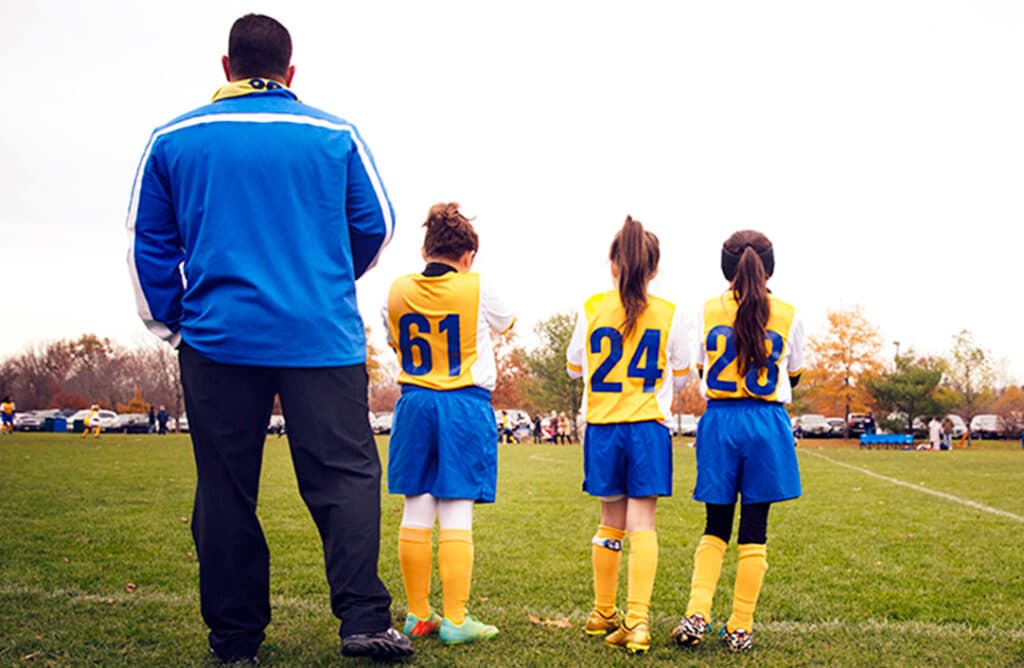
Last year I sat down with my husband to watch the documentary Athlete A, which focuses on the gymnasts who survived the abuse perpetrated by USA Gymnastics doctor Larry Nassar. As we watched, my husband who had not grown up in sports, questioned how these young athletes felt they couldn’t report the sexual abuse. “Why didn’t they just say something?” he asked. His question made me take a step back and think about my own athletic career. As a former member of a national team training for an Olympic dream, I sat there and thought, Would I have said something? Could I have recognized what was going on? While I am not a survivor of sexual abuse, I understand why it would be so difficult to come forward and say something. According to the 2020 Athlete Culture & Climate survey completed by the U.S. Center for Safesport, 93% of athletes who experienced sexual harassment or unwanted sexual contact did not submit a formal report/complaint of it.1

The culture of competitive sports includes a paradigm that our coaches, trainers, and sports administrators are the experts, and we need to trust them in order to succeed. These sports organizations and clubs hold all the power to make decisions on who plays and who sits on the sidelines. Whether it’s a local sports organization or a national/professional organization, athletes are expected to prove their worth and catch the eye of those in charge. We are challenged everyday as athletes to improve our skills and to push ourselves out of our comfort zone. And as the stakes raise, so does our willingness to do whatever it takes to win. Even if that means complying with things that make us uncomfortable.

My dream to win an Olympic medal was much bigger than anything else at the time. I put so much pressure on myself to win and remain perfect that I did whatever I was told and whatever it took to continue pursuing my dream. And if you are not willing to put the work in and make those sacrifices, there is always another athlete right behind you that will. So, when I hear stories like the Larry Nassar case, I understand why these survivors of sexual abuse would be absolutely terrified to come forward. He was the Olympic team doctor; he was in a position to dictate the steps (or remove barriers) to the dreams of so many gymnasts who felt passionate about realizing their lifelong aspiration of medaling.

As I was climbing up the ranks in sports, I would have been absolutely thrilled to work with anyone connected to the Olympic team. I would have taken everything they told me as priceless advice. I mean, why not? These coaches and trainers have seen what it takes for individuals to reach the top of the sports podium. In a pressure-packed environment you are always looking for that friendly face and wanting acknowledgement that you are doing something right. When an individual like Nassar takes advantage of those opportunities and grooms everyone involved, it's the perfect environment for a perpetrator to sexually abuse a minor. In fact, a 2020 survey showed that more than half of athletes who indicated having unwanted sexual experiences stated that some or all of those experiences happened when they were under the age of 18.1

This survey reflected nearly 4,000 adult athletes across 50 different sports.1 Child sexual abuse is far more common than many people think and harms children from all walks of life. Ironically, many of these athletes come from homes with conscientious parents who support the hard work their children dedicate toward reaching high aspirations. Parent involvement was another conversation that came up while watching the documentary and how they interact with these sports organizations. My parents were highly involved in my life, but they also knew they didn’t have any expertise on my sport specifically. They left my training and competition regimen up to the coaches, trainers, doctors, and sports administrators. It takes a village to build a sports champion and often your family members are just as invested in your dreams of making it to the top. Nobody wants to put their child’s playing time at risk or disrupt their training.

93% of athletes who experienced sexual harassment or unwanted sexual contact did not submit a formal report/complaint of it.

2020 Athlete Culture & Climate survey completed by the U.S. Center for Safesport1

How Can I Make Sports Safer for My Child and Help Prevent Child Sexual Abuse?

Sports has taught me so much about hard work, dedication, pushing my limits and I am grateful for the opportunity I had to chase my dreams. It is clear to me that having kids involved in sports is a positive in so many ways. According to the President’s Council on Sports, Fitness and Nutrition Science Board, participating in sports is associated with lower rates of anxiety and depression, lower amounts of stress, higher self-esteem and confidence, reduced risk of suicide, increased life satisfaction, and more.2 But these benefits can all be erased if a child experiences sexual abuse as a result of their involvement in sports. We need to educate everyone involved with these sports organizations and create safety for all athletes.

The risk of sexual abuse doesn’t only pertain to children in sports. 1 in 4 girls, and 1 in 10 boys is sexually abused by the age of 183 and 80% of these cases are by someone they know.4 Saprea offers prevention resources for parents and caregivers to learn and proactively apply researched-based best practices to reduce the risk of sexual abuse from impacting the children they love.

WAYS YOU CAN HELP KEEP YOUR CHILD SAFE IN SPORTS:

  • Make sure your child is never alone with a coach, trainer, or sports administrator.
  • Monitor who has access to your child’s contact information.
  • Check with your sports organizations and ensure they have done background checks on anyone involved with your child.
  • Understand the issue of child sexual abuse.
  • Teach your child about consent and boundaries.
  • Have consistent conversations with your child about their sexual development.
  • Foster open, two-way communication with your child.

These are just a few ways to help create safety for your young athletes as they participate in sports. Here is more information on how you can help prevent child sexual abuse.

If you or someone you know is a survivor of child sexual abuse, here is where you can learn more about Saprea’s healing resources.
About the author

Image

Zac Amidan

Marketing Director
Zac joined Saprea at the end of 2021 as the Marketing Director. He is a former member of the U.S. Ski Team in the sport of aerial skiing where he competed on the World Cup tour. After his retirement from competitive skiing Zac attended the University of Utah where he received a Bachelor of Science in strategic communications and a Master of Science in sports management. Before coming to Saprea Zac worked in marketing with the University of Utah Athletic Department and the U.S. Ski and Snowboard Foundation.

How to Protect Your Children from Sexual Abuse at School

Saprea > Blog > All Blogs > How to Protect Your Children from Sexual Abuse at School

Share this blog on:
6150:full

How to Protect Your Children from Sexual Abuse at School

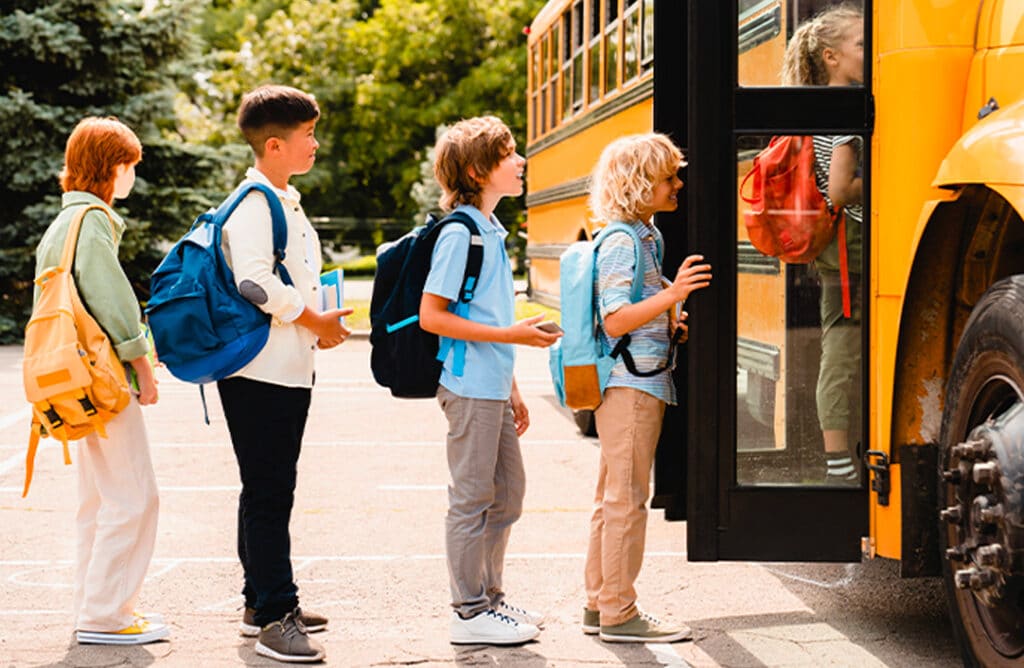
Sending children to school is full of emotions and questions. Are they ready? Do they have good friends? Will they be safe?

The risk of sexual abuse is likely something on the minds of many parents. With the right knowledge and tools, you have the power to reduce the risk when your children are at school.

What Causes Sexual Assault in Schools?

There are a variety of risk factors that can lead to sexual abuse in schools. Some other risk factors can include individual, relationship, community, and societal risk factors.

When it comes to individual risk factors, children who experience higher levels of loneliness, isolation, and bullying are at greater risk of being sexually assaulted.1 Children with disabilities are also at a higher risk, along with youth who identify as LGBTQIA+.2

Other factors that come into play—for both perpetration and victimization—include things like alcohol and drug use, aggressive behaviors, early sexual initiation, and exposure to sexually explicit media, among others.3

Relationship risk factors that may show up in school are a family history of conflict and violence, an unstable home environment, lack of emotional support, poor parent-child communication and association with sexually aggressive or delinquent peers.

Community factors that may lead to higher instances of sexual assault are things like poverty, lack of institutional support, and weak community sanctions against sexual abuse perpetrators.

Finally, societal factors may include things like norms that support sexual harassment or violence, a system that constantly lets survivors down, and high levels of crime in general. These may apply to society at large or to the culture within the school itself.

What Is Educator Sexual Abuse?

When an educator or teacher is perpetrating sexual harassment or abuse against a student or any minor, this is known as educator sexual abuse. It can encompass a wide range of actions, from showing students sexually explicit materials or speaking in sexual innuendos to inappropriate touching or sexual relationships.

These cases often appear in the news or on Twitter feeds, and while we want to protect our children from every threat, it’s also important to remember that when it comes to sexual abuse in schools, student-on-student sexual assault and violence are much more common than educators targeting their students.4 Students are more likely to be victimized by other students than by teachers.

What Is Grooming and What Are the Signs?

Whether students are being groomed for sexual abuse by peers or adults at school, it’s important for parents to be able to recognize the signs. Grooming behaviors are used to build trust with a child methodically, subtly, and gradually. They escalate over time and may eventually lead to sexual abuse.

There are six common grooming behaviors that perpetrators may use to build up to sexual harassment and sexual abuse. They include forming relationships, testing boundaries, touching, intimidating or sexual bullying, sharing sexually explicit material, and communicating secretly. These behaviors may happen at school or outside of it (such as through online interactions or messaging), or a combination of the two.

Percentage and Statistics: How Common Is Sexual Abuse in Schools?

Statistics show that 1 in 4 girls, 1 in 10 boys5 is sexually abused before the age of 18. In the 2017–2018 school year, over 13,000 students in the United States reported being sexually assaulted, according to the Civil Rights Data Collection division.6

Youth are responsible for about 50% of all sexual offenses against other children. When it comes to child sexual abuse perpetrators for school-aged children or teens, peers present a greater danger for boys than for girls. Boys are more likely to be sexually abused by a peer acquaintance and girls are more likely to be sexually abused by a romantic partner.7

Prevention: How Can I Protect My Child from Sexual Abuse at School?

The good news is it is possible to reduce the risk of your child being sexually abused or sexually assaulted at school. One of the best things you can do is have ongoing, age-appropriate conversations with your child about topics such as consent, boundaries, and healthy sexuality.

These conversations help your child learn that they have a voice, respect the boundaries of others, and can talk to a safe adult if they feel a situation or person is making them uncomfortable. Having these talks with your child, along with making efforts to help them increase their self-esteem and confidence, lower the risk of sexual abuse in every situation, including at school.

For more information on lowering the risk of child sexual abuse, visit Saprea’s prevention resources.

About the author

Image

Shannon Hall

Social Media Strategist
Shannon Hall has been the Social Media Strategist at Saprea since 2018 after making the switch from ecommerce to nonprofit marketing. She received her MS in digital audience strategy from Arizona State University and her BA in strategic communication from Southern Utah University. Outside of the office, she enjoys hiking, reading, baking, and spending time with her family.

Not a Parent?: How You Can Prevent Child Sexual Abuse

Saprea > Blog > All Blogs > Not a Parent?: How You Can Prevent Child Sexual Abuse

Share this blog on:
6081:full

Not a Parent?: How You Can Prevent Child Sexual Abuse

Cleo was on a lunch break when she heard a chilling statistic: According to a study released by the Center for Disease Control (CDC), 1 in every 4 girls and 1 in every 10 boys are sexually abused before the age of 18 in the United States.1

These numbers were like a sucker punch to Cleo’s stomach. How can we live in a world where such horrible things happen? she wondered. She wondered if parents could be more proactive about protecting their children. She wondered if kids would be able to recognize inappropriate behavior coming from adults or other kids. She wondered if the amount of people who want to protect children outnumber those who seek to hurt them.

Little did Cleo realize, she could be one of these people—a defender of innocence. She’s not a parent. She’s not a teacher. She doesn’t have a job that involves working with children. In fact, she doesn’t really see children all that often in her day-to-day life. So how can Cleo, someone who barely interacts with children, be a protector and defender against child sexual abuse?

Cleo realized she did have connections in her life to children. She didn’t have any children of her own, but she had two nieces and three nephews. She didn’t work directly with children at her job, but three of her coworkers were parents. There were also several families in her neighborhood with small children. She was vaguely acquainted with the parents and saw their kids playing in nearby yards from time to time.

Cleo realized each of these children in her life were at some degree of risk. Each of these children, no matter how healthy and happy they appeared, were in need of defenders against child sexual abuse. This discovery gave Cleo an increased sense of responsibility and a greater awareness of her role in the community.

Every child you pass in the hall has a story that needs to be heard.
Maybe you are the one meant to hear it.

— Bethany Hill, assistant principal from Arkansas

Why Should You care?

Even if it seems that the issue of child sexual abuse won’t ever affect you personally, it affects the society you inhabit and is likely affecting someone you know.

Child sexual abuse can have long-lasting effects on survivors as they age into adulthood. These adverse impacts might not just affect the survivor but those around them, be it their children, their family members, their coworkers, their partners, or even their relationship with you. Without proper help and healing, trauma can continue into the next generation. Perpetrators continue to thrive on society’s tendency to turn a blind eye. Notions of respect, consent, and boundaries are often misunderstood or not properly addressed. Legal systems may fail those who were targeted, by refusing to listen or not taking proper action. Ultimately, child sexual abuse doesn’t just affect children you’ll never know or never meet. It affects the health and stability of our society as whole.

However, you have a chance to make a difference. Like Cleo, your sphere of influence may be larger than you think. You might not have any children in your life, but you still have the power to protect those who are most vulnerable.

So how can you help?

Maybe you’re a college student or a retiree. Maybe you’re an aunt, uncle, cousin, or sibling. Or maybe you’re a neighbor, teacher, coach, volunteer, community leader, or churchgoer. No matter your circumstance or stage of life, one thing remains the same: your ability to make a difference. Here are five ways you can help defend innocence and prevent child sexual abuse.

01

Be aware

The more you know, the greater influence you’ll have on raising awareness, preventing or hindering perpetration, supporting at-risk children, encouraging healing, posing improvements in the legal system, and protecting survivors from revictimization. You can take the initiative by educating yourself on topics such as warning signs, grooming patterns, and likely places a perpetrator will make a move. This is not to increase your paranoia or distrust, but to hone your intuition. By being more informed, you’ll know what to look out for, when a child might be in need, and what you can do to help. We have many educational blog posts and resources that provide a great start to self-education. To learn more about the long-term effects of childhood trauma, you can check out our sister organization, The Younique Foundation, or this informational site from the CDC.

02

Be vigilant

Being well-informed will help you become more aware of what’s going on around you. You can be vigilant when attending family gatherings, local celebrations, sporting events, and other public activities that involve children. This doesn’t mean you are continually looking to accuse others of suspicious behavior. But if any red flags that you’ve learned about occur in plain sight, you may be the one to take notice. If you do see something, act. Don’t look the other way. This may be easier said than done. Sometimes it’s more comfortable to stay silent, even if we witness something terrible, and assume that someone else will take the necessary action. This assumption, known as the bystander effect, leads to no one taking action, no matter how dire the need. It’s crucial to rise above this mentality; be an instigator, not a bystander. If you feel it’s necessary, take the parents aside or seek out the proper local authorities to voice your concern.

03

Spread the word

Be willing to openly talk about child sexual abuse as an important issue, rather than treating it as taboo. Once you feel comfortable in your knowledge on the subject, you can also teach groups in your community about topics such as healthy sexuality, consent, and abuse prevention. It can be scary to initiate a conversation about such a sensitive subject, especially with people you don’t know very well. But when others see how comfortable you are about starting a dialogue, they might follow suit and open up as well. They may have important information or experiences they need to share.

04

Donate or volunteer

Even a few dollars can go a long way. There are more ways to donate than clicking a button on our site. Perhaps on your birthday and other gift-giving holidays, rather than receiving gifts, you request people to send donations in your honor. If this option interests you, visit here to learn more. Or maybe you’d rather purchase merchandise, or hold a fundraiser in your community, such as a 5k or a bake sale. You could also offer something even more precious than your money: your time. Become a volunteer in your community or online. A variety of opportunities to serve are available, so you can find one tailor-made for your personality type and experience. You can participate in campaigns, spread awareness through social media, teach classes in your community, and host events. These options and more can be found here.

05

Be a positive example

Do you remember any adults who had a positive impact on your childhood? Adults who weren’t your parents but who you admired and felt safe around? In 2018, a team of researchers analyzed the impact of positive early life experiences in adults who had endured difficult childhoods. In this study, participants were asked a series of questions, including:2

    • Did you have at least one teacher who cared about you?
    • Did you have good neighbors?
    • Was there an adult (not a parent/caregiver) who could provide you with support or advice?

According to the findings, children with healthy attachments in their community—including positive adult influences who weren’t their parents—have a higher potential to develop resilience in the face of adversity. As an adult, you can be that positive influence for a child. If you currently do have any meaningful relationships with children, encourage open communication with them. Let them know they can confide in you as a trustworthy adult and that you will listen without judgment. This example of openness and respect can extend to families and caregivers as well. Through your actions, emphasize the importance of awareness and prevention. Ensure the spaces you attend or create are safe. Establish and respect appropriate boundaries, not just toward children, but adults as well. If you discover that a child in your life has been abused, offer support to the child and their family however you can.

No matter your circumstance or stage in life, you can be a strong ally in protecting children from child sexual abuse and empowering families to learn about ways to prevent it. Through your awareness, vigilance, and willingness to speak out about child sexual abuse, the world becomes that much safer for the children around you. You might think you’re only one person, but sometimes the greatest difference made in a child’s life is through one individual. Never underestimate the impact you have on another person.

About the author

Image

Breeann Allison

Research and Program Development Strategist
Breeann joined Saprea as an Education Coordinator at the end of 2018. She holds a Bachelor of Arts degree in English literature with a minor in editing from Brigham Young University. Currently she works as a member of the Research and Program Development Team and a co-teacher for the Saprea Healing Webinar. She is also the author of Saprea's Reclaim Hope Workbook and co-author of Why Do I Still Feel This Way: Changing Your Relationship with the Trauma of Child Sexual Abuse. She has worked in publishing for seven years, first as a curriculum developer at Gibbs Smith Education and then as an editor at FranklinCovey. On the side she enjoys writing mediocre fiction, spoiling her nieces and nephews, and defending the sacredness of the Oxford comma.

How to Care for Your Child After Sexual Abuse

Saprea > Blog > All Blogs > How to Care for Your Child After Sexual Abuse

Share this blog on:
5949:full

How to Care for Your Child After Sexual Abuse

So you’ve called the local reporting agency in your area and reported the child sexual abuse, one of the biggest steps you can take. Now, what should you do to take care of your child?

Get your child into therapy as soon as possible.

If you do not have health insurance or your health insurance won’t pay for therapy, most states have a crime victims fund that will help pay. There may be some limitations to this, such as needing to find a therapist who is approved for crime victims work, or the fund only paying for so much therapy. I have seen the crime victims fund also pay for a medical exam, therapy for the child, mileage to and from the therapist, medication, and possible counseling for parents. Talk to your local crime victims advocate to find out what they can do for your child and for you.

Find a therapist who has been trained in trauma-focused therapy and is trauma-sensitive.

If your child is younger, try to find a therapist trained in a sand tray and/or play therapy that deals with trauma. Many times, children tell their story through their play and share details they can’t or don’t know how to verbalize. It is okay for you to meet with the therapist to see if they are a good fit for you, but especially for your child. Watch how your child responds to the therapist. Does the therapist get down on their level? Are they condescending to the child? Are they warm and nurturing? Trust your gut on this.

It is very important that your child is believed and supported.

I have seen the damage done when parents don’t believe their child, minimize what happened, blame the child in any way, or try to brush it under the rug as if the abuse did not happen or wasn’t that bad. Remember whether the abuse happened once or several times, it is trauma. Being there for your child in every way can help to minimize the long-term effects of the abuse. Your child’s trust with another person was broken. You can help the child to see that you can be trusted and that not all adults are untrustworthy. Also, make sure you are clear with your child that the abuse was nottheir fault. Allow your child to talk when they need to, but don’t ask a lot of questions. Don’t try to solve the child’s problems for them. You can offer choices or suggestions, but in the end, your child will become more empowered by making their own decisions.

Your child may experience triggers at any moment.

A trigger is something that reminds a person of the trauma they experienced. This could be a place, person, smell, time of day, or many other things. Most likely you may be aware of some of them but not all. When a child experiences a trigger, they may feel like they are back in the moment when the trauma occurred and feel the exact way they did (i.e. scared, helpless, trapped). Work with your child’s therapist on techniques to help, such as deep breathing or getting a favorite blanket or stuffed animal. Your child needs to feel safe and supported by you regardless of how you feel or what you believe at the moment.

Your reaction and what you do after the abuse are key in helping your child heal. Use the resources available to you to help in the process and take care of yourself as well. Your child needs to interact with a parent or loved one that is healthy and trustworthy. Try to maintain a consistent schedule, routine, and household. This can help your child feel safe and secure and be less anxious about what could happen. Love your child unconditionally and be present for them. Understand that healing takes time and there is no specific time frame in the healing process.

About the author

Image

Annette Curtis, LCSW

Retreat Manager
Annette joined Saprea in 2016 after working for 23 years at a nonprofit organization with children and adolescents in the foster care system. Annette received her BS in psychology from Brigham Young University and her master’s in social work from the University of Utah. She is an experienced clinician with a background in trauma including child sexual abuse, and has worked with individuals ranging from ages four through adulthood. She is dedicated to helping those who have experienced sexual abuse trauma and its effects. When she is not at work, she is spending time with her family at home or Disneyland.

Why the ACE Study Is Important for Parents

Saprea > Blog > All Blogs > Why the ACE Study Is Important for Parents

Share this blog on:
5939:full

Why the ACE Study Is Important for Parents

One of the most comprehensive studies about the long-term effects of adverse childhood experiences is the ACE Study. This post will explain, briefly, what it is and how it can help you as a parent or caregiver to raise a more well-adjusted child.

From 1995 to 1997, Kaiser Permanente and the Centers for Disease Control and Prevention recruited participants for a long-term study that has come to be known as the Adverse Childhood Experiences (ACE) Study. The study ended up using 17,337 participants.

What does the ACE Study measure?

The ACE Study asked people if they had experienced any of the following 10 things as a child:

01

EMOTIONAL ABUSE

02

PHYSICAL ABUSE

03

SEXUAL ABUSE

04

MOTHER TREATED VIOLENTLY

05

HOUSEHOLD SUBSTANCE ABUSE

06

HOUSEHOLD MENTAL ILLNESS

07

PARENTAL SEPARATION OR DIVORCE

08

INCARCERATED HOUSEHOLD MEMBER

09

EMOTIONAL NEGLECT

10

PHYSICAL NEGLECT

Each of the above experiences that occurred would raise a person’s score. The higher the score, the more at risk a person is for the following, although this list is not exhaustive:

  • Alcoholism
  • Depression
  • Illicit drug use
  • Financial stress
  • Suicide attempts
  • Unintended pregnancies
  • Sexual violence
  • Poor academic achievement

You can go to the CDC website for a more thorough look at the study and the risks associated with a high ACE score.

What Can We Learn From the ACE Study?

When you look at the first list, you can see that one thing might lead to another. If a child’s mother is abused, it raises the likelihood that the child will be abused as well in some form or another. Emotional neglect can lead to a child becoming the target of a perpetrator of sexual abuse. Household mental illness may mean that a child is physically neglected. It’s difficult to take one aspect of the ACE without tying it to another.

So what does that have to do with helping you prevent your child from being sexually abused?

The ACE Study shows us that there are things that will make your child more vulnerable to sexual abuse. As you are looking at your child’s potential ACE score, you can see the places where you need to put more focus and energy.

For example, if your recent divorce has left your child feeling emotionally neglected, you still have time to remedy that situation. Take a close look at yourself and be honest about what you can do to lower your child’s ACE score. The more informed you are, the better decisions you can make. Give your child the best chance you can to become a well-adjusted, high-functioning adult.

How to Make Social Media Safe

Saprea > Blog > All Blogs > How to Make Social Media Safe

Share this blog on:
6012:full

How to Make Social Media Safe

Summer is in full swing and you might have a young child who’s eager to go spend time at the neighborhood pool. If you were going to teach your two-year-old how to swim, think of how involved you’d probably be. You’d hold your toddler as you got in the water together and let them get used to their surroundings. Maybe after a few minutes you’d set them down on the side and then have them jump into your arms. At some point, you’d have them practice kicking their legs. You’re probably not jumping out and leaving them there to figure things out on their own.

As a parent, you should exercise this same level of care and involvement when it comes to letting your kids use social media. Sometimes kids who are too young to fully understand social media are thrown into the deep end, and they often end up sinking. Just as you wouldn’t leave your child alone in a swimming pool, you shouldn’t leave your child alone in the vast abyss of Facebook, Instagram, Twitter, Snapchat, etc. Online safety expert Scott Steinberg says, “You absolutely have to be as involved in your child’s digital and online life as you would be in real world activities and interactions.”

Kids have ready access to the internet. In a recent Pew study, 45% of 13- to 17-year-olds surveyed said that they were online either “almost constantly” or “several times a day.” Among American teens, 95% have access to a smartphone. As a parent, you can’t keep your kids away from social media and the internet, but you can do some things to ensure that your kids are safe and healthy in their online interactions. Here are five tips to help.

01

CONSIDER THE RIGHT AGE FOR YOUR CHILD TO GET SOCIAL MEDIA.

Kids are begging for social media accounts at younger and younger ages. You’ve probably heard some version of this argument: “Everyone else has Snapchat. My life will be ruined if I’m the only one left out.” The Children’s Online Privacy Protection Act limits the information that companies can gather about children under the age of 13. As a result, websites generally don’t let children under 13 open accounts. That means that technically you shouldn’t be considering letting your kids have their own social media accounts before that age. Waiting until 13 is one guidepost as you consider when your child is old enough for social media, but the same age isn’t right for everyone. Getting social media depends on the interest and maturity of your individual child, and you know your child better than anyone. Whenever your child starts venturing into social media, be there to help and mentor. You want to start introducing them to the online social world before they create their own accounts. Show them how you navigate your accounts.

02

EXPLAIN THE CONSEQUENCES OF SOCIAL MEDIA ACTIONS.

Kids and teens sometimes don’t understand all of the ramifications of their online actions. Kids’ brains are still developing. They don’t have the impulse control of an adult to stop and think, “Oh, I shouldn’t post this hurtful comment just because I’m mad.” Also, they might not have the emotional resilience to deal with mean comments that someone might post about them. Explain to your child that their online presence should mirror their in-person presence. And remind them that when they post something online, they’re potentially creating a permanent record that everyone can see.

03

DISCUSS HARD TOPICS.

There are some real dangers associated with social media. For example, perpetrators can use technology as a way to groom your child. They can communicate secretly and push boundaries. In fact, 1 in 7 teen internet users have received an unwanted sexual solicitation, and 1 in 4 teenagers and young adults say they’ve sexted (which in the case of teens is technically illegal). Have conversations with your child about grooming patterns, boundaries, and what’s appropriate and inappropriate to post and text.

04

KEEP CHECKING IN.

Don’t just talk about important principles related to social media and then vanish and assume that your child is doing everything right. Monitor what’s going on: read what your child is posting, look at their list of followers to confirm it’s only family and friends, make sure there isn’t inappropriate content in their accounts. Making mistakes is part of growing up, and your child is probably going to do a few things on social media that might be dumb. Be there to talk things through and help them learn from their mistakes. Respond, don’t react. If they feel like you’ll explode or automatically ban them from all technology, they’re probably not going to tell you what’s going on, even if they need help.

05

ACKNOWLEDGE THE GOOD THAT CAN COME FROM SOCIAL MEDIA.

People often talk about social media like it’s bad, but there is a lot of good that can come from it. During teen years, developing social connections is very important to most kids. When used well, social media can be a great way to establish connections. And there are many other productive things teens can do with social media: get behind a cause, communicate with family members who are far away, market a talent, etc. Of course, it’s important to be cautious and careful in any online interaction, but social media can be a useful tool.

One teen said that “social media can make people my age feel less lonely.” There are definitely risks associated with social media, especially when it comes to sexual abuse. But with some guidance from you, social media can develop into an easy and accessible communication tool that allows your child to connect with peers and have fulfilling social interactions.

About the author

Image

Mark Hartvigsen

Online Education and Engagement Director
Mark Hartvigsen has worked at Saprea since 2017 in various roles focusing on education. He also gets to teach a drumming class at the Utah retreat location. Mark has both undergraduate and graduate degrees in English and Music. Prior to his work at Saprea, he taught at the college level in a variety of fields. He is passionate about the power of education to help survivors on their healing journey and to protect kids and teens. Living close to his nephew and nieces inspires Mark to join in the fight against child sexual abuse. Outside of work, Mark is a music aficionado who has played the piano for almost his whole life. Additionally, he enjoys hiking and skiing in Utah’s beautiful mountains.

6 Important Principles to Teach Your Child about Sex

Saprea > Blog > All Blogs > 6 Important Principles to Teach Your Child about Sex

Share this blog on:
5968:full

6 Important Principles to Teach Your Child about Sex

There are six basic sexual health principles that can guide someone in making decisions about their sexuality. These are important concepts to teach your child or teen, in addition to learning and modeling them in your own life. Within each of these principles, you’ll want to discuss safety, trust, communication, respect, and accurate information—all of which are key to achieving sexual health and happiness. As you read these, think through how they relate to you and your family, and decide if there are other rights or principles you want to add when you talk to your child or teen about them. Not everything below is appropriate for all ages. Use your judgment to decide what your child is ready for.

01

Consent

Consent is the full, continuous, mutual agreement to sexual activity between the individuals involved. Consent includes the right to:

  • Choose what you participate in, what you don’t participate in, or abstain from completely.
  • Change your mind at any time.
  • Fully understand what you are agreeing to.

02

Non-Exploitation

Exploitive relationships use coercion and power differentials to benefit one individual over another. You have the right to non-exploitive relationships and to:

  • Feel safe in your sexual activities.
  • Not be taken advantage of due to age, gender, religion, ability, race, etc.
  • Voice your needs, concerns, and preferences as they relate to your sexuality.
  • Not please others at your own expense.

03

Protection

Protection from STIs, HIV, and unwanted pregnancy comes through medically accurate education, information about the risk partners pose to each other, and access to appropriate healthcare and resources. You have the right to:

  • Ask about the risk your partners pose to your sexual health.
  • Deny sexual contact without use of protection or deny sexual contact altogether.
  • Educate yourself and others about types of protection.

04

Honesty

Honesty is being truthful within sexual relationships. Partners should voluntarily share important information in an environment of safety and trust. You have the right to:

  • Be honest with yourself and your partners.
  • Give and receive accurate information, even when stakes are high.
  • Ask questions of your sexual partners that impact your sexual and emotional health.

05

Values

Sexual activities can have different meanings for different people. Sharing sexual values can help to clarify what is acceptable for each person in the relationship and create clear expectations. You have the right to:

  • Take time to know your own and your partners’ values around sex.
  • Have your values respected without being belittled or condemned.
  • Feel safe sharing the values that you have and why you have them.

06

Pleasure

Safe sexual experiences built on trust have the ability to bring enjoyment and satisfaction to those involved. You have the right to:

  • Find your personal sexual preferences, expressions, and desires.
  • Feel safe when exploring sexuality.
  • Experience consensual pleasure without pain.

As you think through these principles and share them with your child, you may find things that resonate more at different times and in different situations. Having open and honest conversations about sex and healthy sexuality is one of the most important things you can do with your child or teen. It can prevent them from being sexually abused, help them have happier and healthier relationships, and allow them to make more informed choices around sex and sexuality.

5 Tips to Help Your Teen on Their First Date

Saprea > Blog > All Blogs > 5 Tips to Help Your Teen on Their First Date

Share this blog on:
5961:full

5 Tips to Help Your Teen on Their First Date

A day you have been worried about since your child was born has arrived: your son or daughter is about to go on their first date. Questions flood your mind. Is my child really old enough to be doing this? Will their date treat them with respect? Will they treat their date with respect? Have I talked to my teen enough about setting boundaries? As your teen starts to date, there will probably be a couple of bumps along the way. (Do you remember your first dates?) But here are some things you can do to help things be easier

01

ASSUME YOUR TEEN HAS QUESTIONS AND CONCERNS.

Teens are often quiet and uncommunicative. Don’t assume that just because your teen isn’t talking to you about dating and sex it means that they don’t have concerns. Parenting educator Debra Haffner notes that there are many reasons teens are quiet about these topics: “They may just be shy about these issues. They may think that they should know everything by this point. They may not know how to ask you about this subject.”1 Every teen has questions about dating; don’t interpret silence as a lack of interest or a lack of curiosity.

02

TALK ABOUT SEX, PHYSICAL AFFECTION, AND CONSENT.

Hopefully you’ve been having productive conversations about sexuality since your child was young. If not, it’s not too late! The beginning of dating is a good time to reinforce information about sex, physical affection, and consent. Highlight your values and expectations but realize your teen is getting older and developing their own views. As you discuss these topics, make sure your teen really understands everything you want them to. Sometimes parents think they’ve been more thorough than they have. For example, a study revealed that 73% of parents said they’d talked to their teens about sex whereas only 46% of teens said their parents had talked to them.2 Ideally, you and your teen are on the same page.

03

EMPOWER YOUR TEEN TO MAKE DECISIONS.

As a parent, your impulse might be to make every decision for your child, especially when it comes to important things like relationships. The reality is that as your teen gets older, they’re going to make more and more decisions on their own. Researchers have observed that a key element of healthy sexual development is “support for decision-making about sex and relationships.”3 You can’t make the decisions for your child, but you can empower them to make good decisions for themselves and make it clear that you’re there to talk to them about their choices and decisions.

04

HAVE A CONTINGENCY PLAN.

Hopefully your teen will have good dating experiences that bring happiness and build confidence but acknowledge that your teen could potentially find themselves in a situation where they are uncomfortable. Make it clear that you are always available to get them out of a bad situation. For example, maybe you have a code word, and if your teen texts it to you, you immediately call with a “family emergency” and request that your child come home. If your child needs an excuse to get out of a situation, be that excuse.

05

TEACH YOUR TEEN TO WATCH FOR RED FLAGS.

Your teen might need help recognizing potentially possessive and abusive behaviors. For example, help them understand that it’s not okay for someone to demand to see text messages they’ve sent to others or be jealous if they spend time with their friends. These behaviors might seem obviously problematic to you, but remember that your teen is doing all of this for the first time. They may think these behaviors are a normal part of being in a relationship.

Talking about sensitive topics can feel awkward and uncomfortable, but chances are your teenager won’t bring up these issues if you don’t. As a parent, it’s your job to take the lead. Help your teen stay safe as they make the first steps into dating.

About the author

Image

Mark Hartvigsen

Online Education and Engagement Director
Mark Hartvigsen has worked at Saprea since 2017 in various roles focusing on education. He also gets to teach a drumming class at the Utah retreat location. Mark has both undergraduate and graduate degrees in English and Music. Prior to his work at Saprea, he taught at the college level in a variety of fields. He is passionate about the power of education to help survivors on their healing journey and to protect kids and teens. Living close to his nephew and nieces inspires Mark to join in the fight against child sexual abuse. Outside of work, Mark is a music aficionado who has played the piano for almost his whole life. Additionally, he enjoys hiking and skiing in Utah’s beautiful mountains.